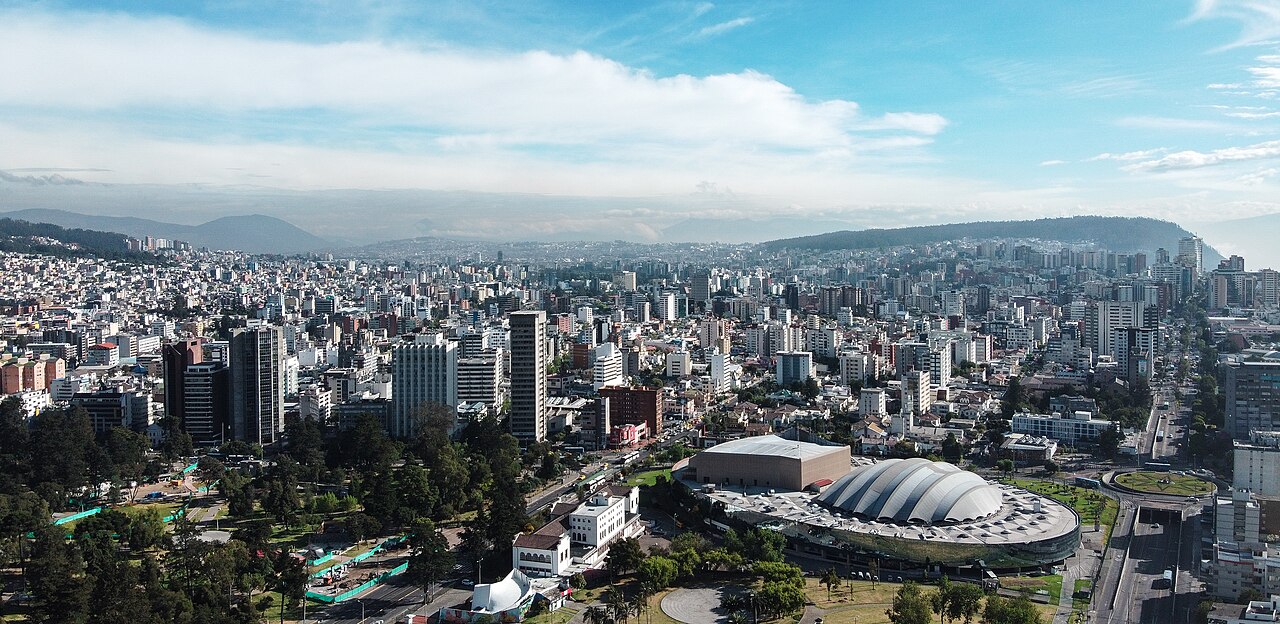
January in Quito — workable with trade-offs
Trade-offs · 6.5/10January averages 17°C (63°F), the range most people find easiest for walking a city all day without either overheating or losing daylight to weather.
At 129 mm this is a genuinely wet month: about 13 sunny days in total, and outdoor plans need an indoor fallback.
It scores 6.5/10 here, 7th of 12 months, against 9.1/10 in the destination's best month.
Expect mid-season pricing, and crowds are light for this destination.
Pack layers you can shed by midday plus one warm layer for the evening, a proper rain shell rather than an umbrella.
If your dates are flexible, September is materially better in Quito — 2.6 points higher on the same scale.
February in Quito — workable with trade-offs
Trade-offs · 6.2/10February averages 18°C (64°F), the range most people find easiest for walking a city all day without either overheating or losing daylight to weather.
At 137 mm this is a genuinely wet month: about 10 sunny days in total, and outdoor plans need an indoor fallback.
It scores 6.2/10 here, 10th of 12 months, against 9.1/10 in the destination's best month.
Expect low-season pricing, and crowds are light for this destination.
Pack layers you can shed by midday plus one warm layer for the evening, a proper rain shell rather than an umbrella.
If your dates are flexible, September is materially better in Quito — 2.9 points higher on the same scale.
March in Quito — workable with trade-offs
Trade-offs · 5.7/10March averages 18°C (64°F), the range most people find easiest for walking a city all day without either overheating or losing daylight to weather.
At 192 mm this is a genuinely wet month: about 10 sunny days in total, and outdoor plans need an indoor fallback.
It scores 5.7/10 here, 11th of 12 months, against 9.1/10 in the destination's best month.
Expect low-season pricing, and crowds are light for this destination.
Pack layers you can shed by midday plus one warm layer for the evening, a proper rain shell rather than an umbrella.
If your dates are flexible, September is materially better in Quito — 3.4 points higher on the same scale.
April in Quito — workable with trade-offs
Trade-offs · 5.7/10April averages 18°C (64°F), the range most people find easiest for walking a city all day without either overheating or losing daylight to weather.
At 198 mm this is a genuinely wet month: about 11 sunny days in total, and outdoor plans need an indoor fallback.
It scores 5.7/10 here, 12th of 12 months, against 9.1/10 in the destination's best month.
Expect low-season pricing, and crowds are light for this destination.
Pack layers you can shed by midday plus one warm layer for the evening, a proper rain shell rather than an umbrella.
If your dates are flexible, September is materially better in Quito — 3.4 points higher on the same scale.
May in Quito — workable with trade-offs
Trade-offs · 6.4/10May averages 18°C (65°F), the range most people find easiest for walking a city all day without either overheating or losing daylight to weather.
At 131 mm this is a genuinely wet month: about 11 sunny days in total, and outdoor plans need an indoor fallback.
It scores 6.4/10 here, 8th of 12 months, against 9.1/10 in the destination's best month.
Expect low-season pricing, and crowds are light for this destination.
Pack layers you can shed by midday plus one warm layer for the evening, a proper rain shell rather than an umbrella.
If your dates are flexible, September is materially better in Quito — 2.7 points higher on the same scale.
June in Quito — reliably good (6th best month)
Good · 7.3/10June averages 18°C (64°F), the range most people find easiest for walking a city all day without either overheating or losing daylight to weather.
Rainfall runs 83 mm, so plan one flexible day in three; you still get about 11 sunny days and 12 hours of daylight.
It scores 7.3/10 here, 6th of 12 months, against 9.1/10 in the destination's best month.
Expect mid-season pricing, and crowds are moderate.
Pack layers you can shed by midday plus one warm layer for the evening, a packable rain layer.
If your dates are flexible, September is materially better in Quito — 1.8 points higher on the same scale.
July in Quito — reliably good (3rd best month)
Good · 8/10July averages 18°C (64°F), the range most people find easiest for walking a city all day without either overheating or losing daylight to weather.
Rainfall runs 62 mm, so plan one flexible day in three; you still get about 12 sunny days and 12 hours of daylight.
It scores 8/10 here, 3rd of 12 months, against 9.1/10 in the destination's best month.
Expect mid-season pricing, and this is one of the busiest months here.
Pack layers you can shed by midday plus one warm layer for the evening, a packable rain layer.
August in Quito — the year's strongest window
Best window · 9/10August averages 18°C (64°F), the range most people find easiest for walking a city all day without either overheating or losing daylight to weather.
Expect 33 mm of rain — occasional showers rather than washed-out days — alongside about 15 sunny days and 12 daylight hours.
On our climate-comfort scale this is the top-ranked month of the year for Quito at 9/10 — the reference point every other month on this page is measured against.
Expect peak pricing, and this is one of the busiest months here. You are paying the year's highest rates for the year's best conditions — book early or shift a few weeks either side.
Pack layers you can shed by midday plus one warm layer for the evening.
September in Quito — the year's strongest window
Best window · 9.1/10September averages 19°C (65°F), the range most people find easiest for walking a city all day without either overheating or losing daylight to weather.
Expect 35 mm of rain — occasional showers rather than washed-out days — alongside about 17 sunny days and 12 daylight hours.
On our climate-comfort scale this is the top-ranked month of the year for Quito at 9.1/10 — the reference point every other month on this page is measured against.
Expect mid-season pricing, and crowds are moderate.
Pack layers you can shed by midday plus one warm layer for the evening.
October in Quito — reliably good (5th best month)
Good · 7.8/10October averages 18°C (65°F), the range most people find easiest for walking a city all day without either overheating or losing daylight to weather.
Rainfall runs 80 mm, so plan one flexible day in three; you still get about 16 sunny days and 12 hours of daylight.
It scores 7.8/10 here, 5th of 12 months, against 9.1/10 in the destination's best month.
Expect mid-season pricing, and crowds are moderate.
Pack layers you can shed by midday plus one warm layer for the evening, a packable rain layer.
November in Quito — reliably good (4th best month)
Good · 7.9/10November averages 18°C (64°F), the range most people find easiest for walking a city all day without either overheating or losing daylight to weather.
Rainfall runs 73 mm, so plan one flexible day in three; you still get about 16 sunny days and 12 hours of daylight.
It scores 7.9/10 here, 4th of 12 months, against 9.1/10 in the destination's best month.
Expect mid-season pricing, and crowds are moderate.
Pack layers you can shed by midday plus one warm layer for the evening, a packable rain layer.
December in Quito — workable with trade-offs
Trade-offs · 6.3/10December averages 18°C (64°F), the range most people find easiest for walking a city all day without either overheating or losing daylight to weather.
At 139 mm this is a genuinely wet month: about 12 sunny days in total, and outdoor plans need an indoor fallback.
It scores 6.3/10 here, 9th of 12 months, against 9.1/10 in the destination's best month.
Expect mid-season pricing, and crowds are light for this destination.
Pack layers you can shed by midday plus one warm layer for the evening, a proper rain shell rather than an umbrella.
If your dates are flexible, September is materially better in Quito — 2.8 points higher on the same scale.