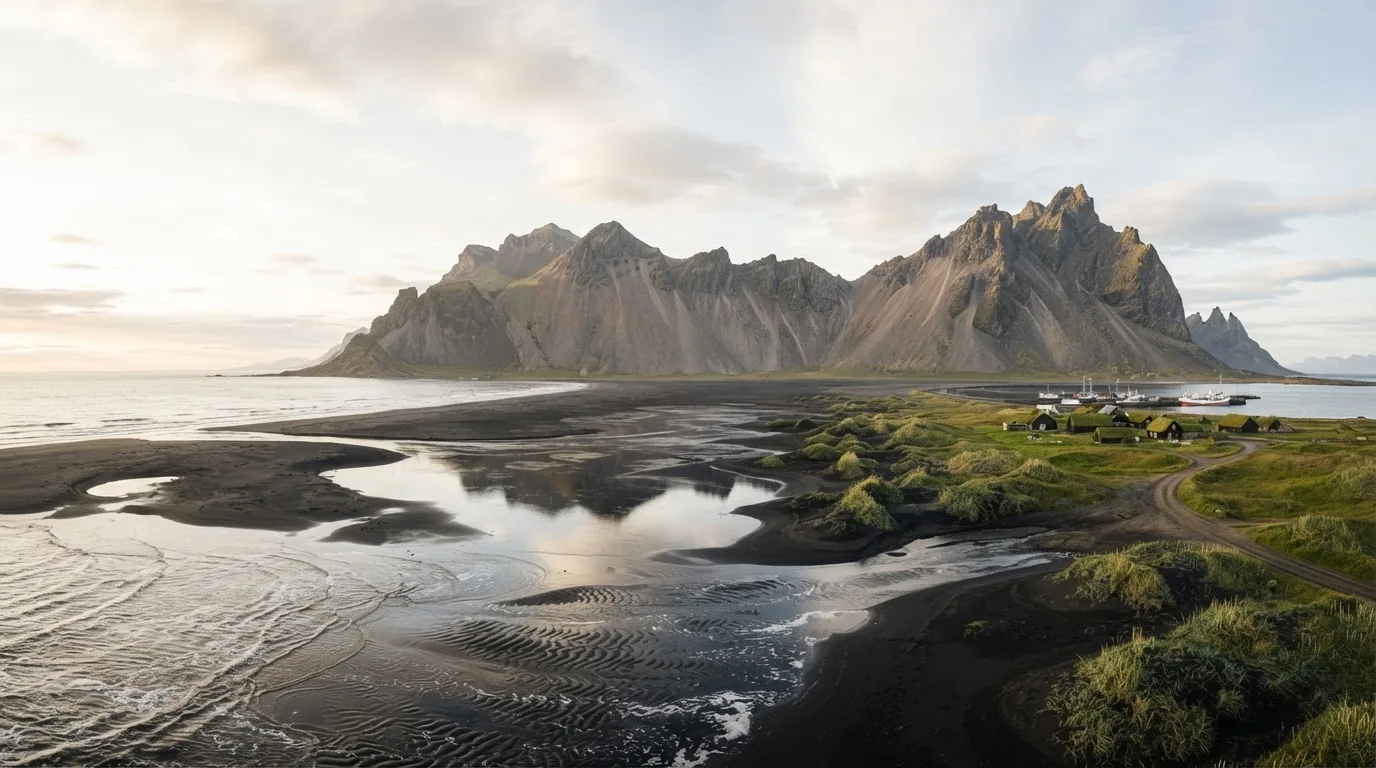
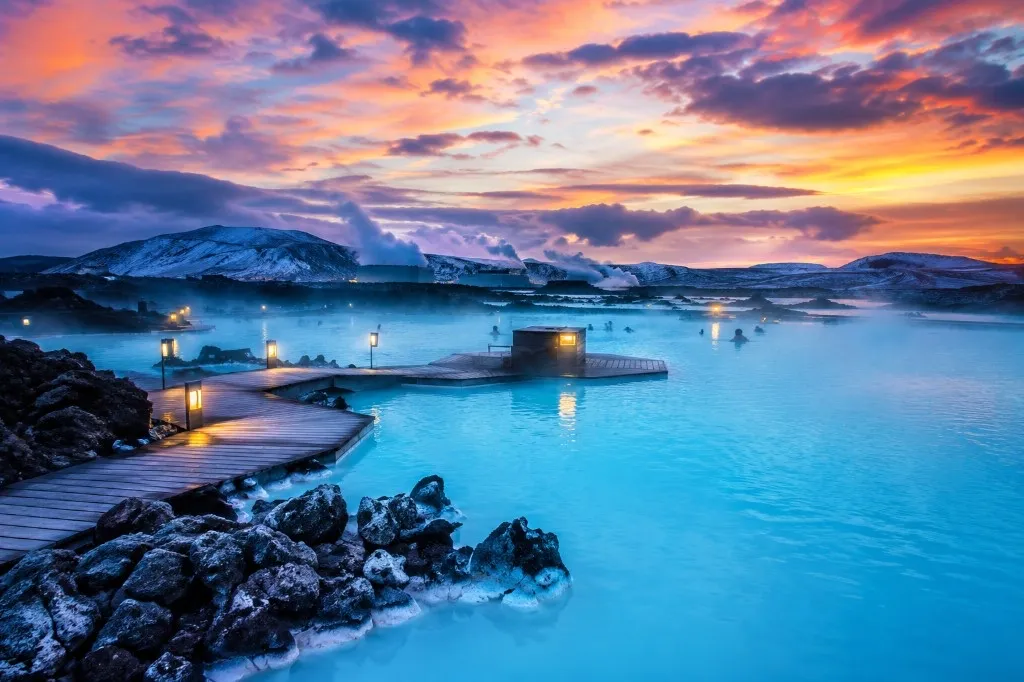
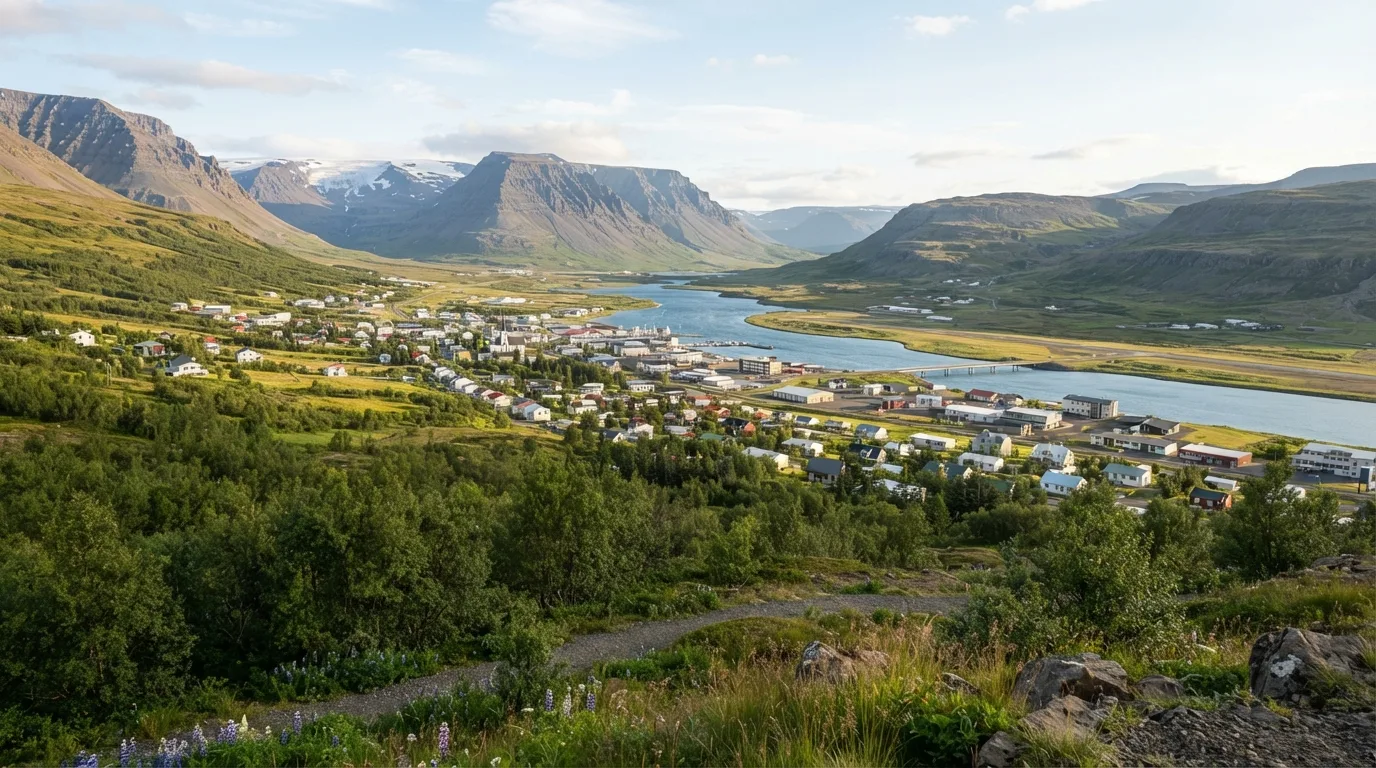
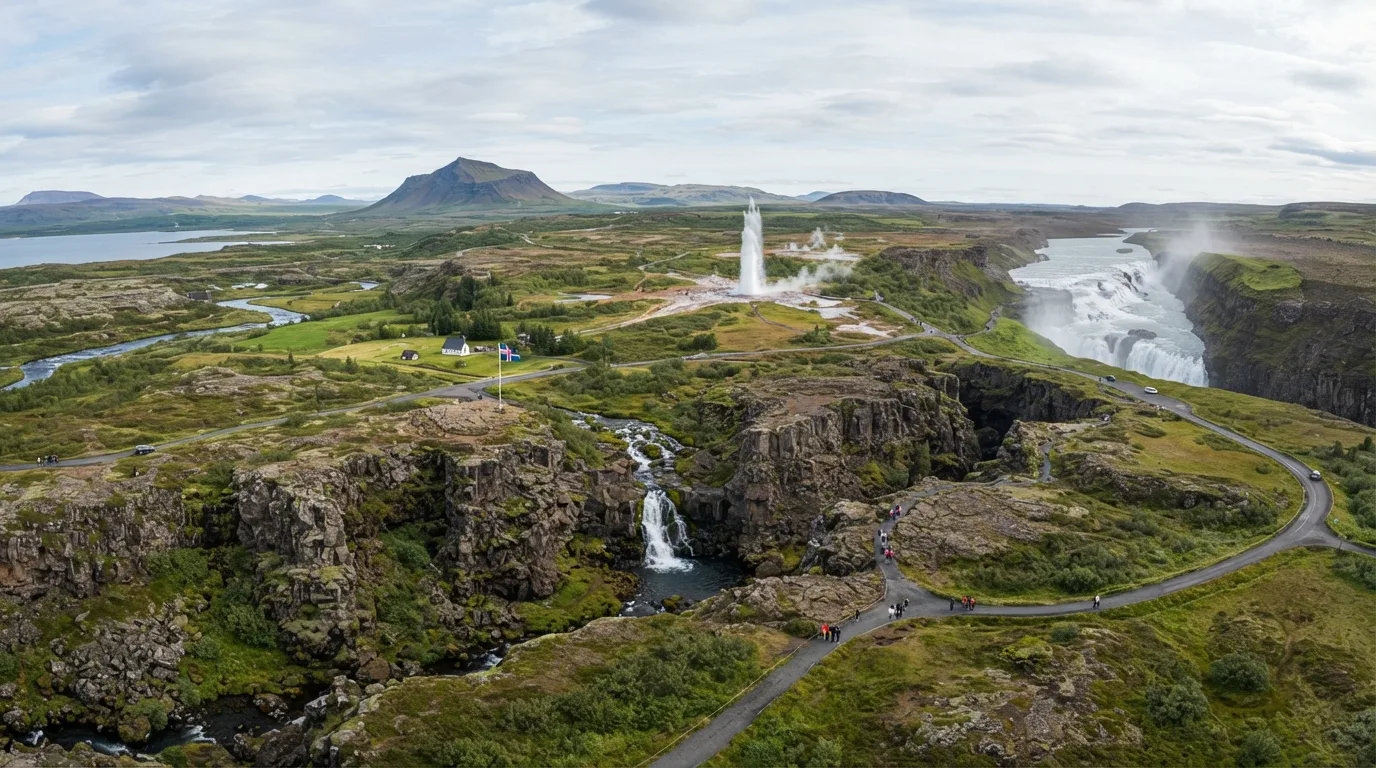
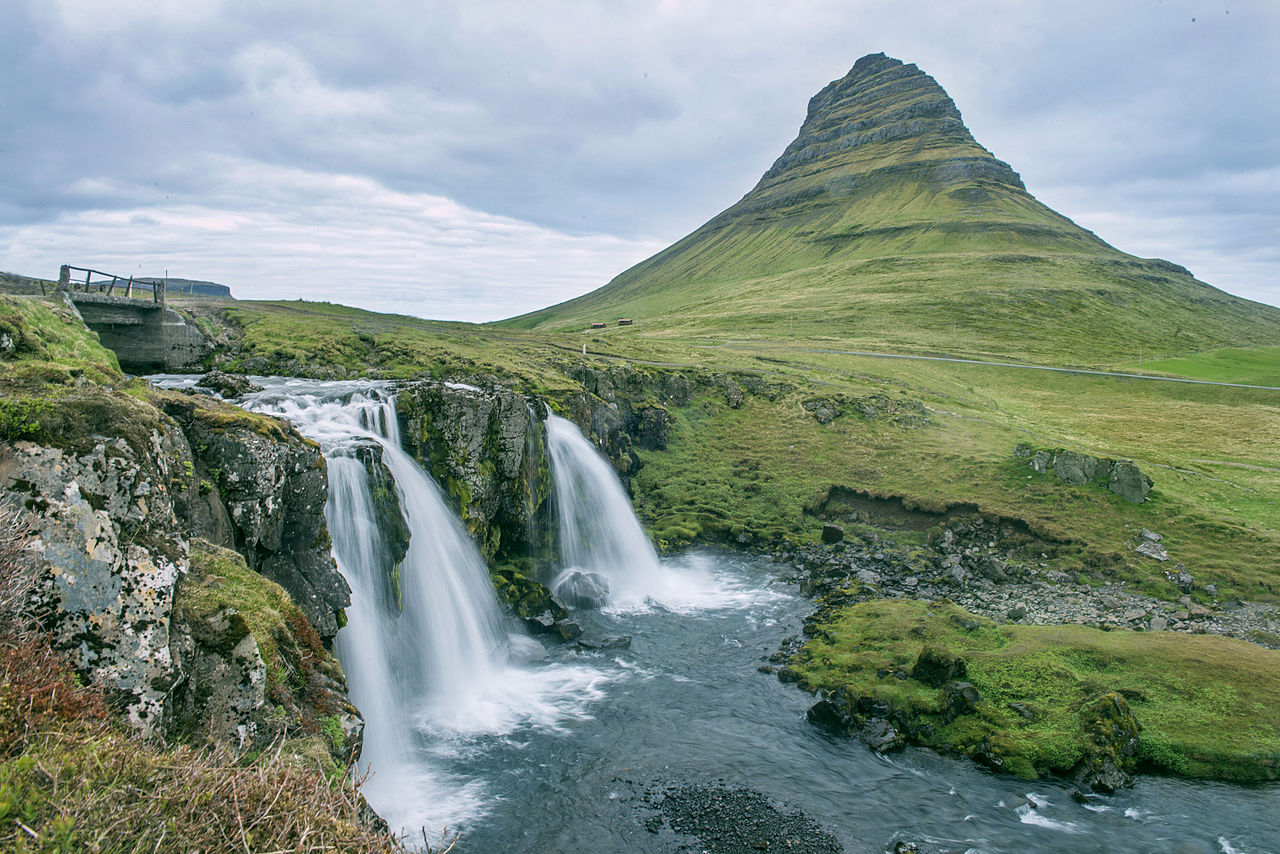
Iceland is a volcanic island in the North Atlantic, shaped by glaciers, lava fields, hot springs and a treeless interior highland. The Golden Circle, the south coast's waterfalls and glacier lagoons, and the Westfjords and Eastfjords spread its highlights around the island. Summer from June to August brings midnight sun and open highland roads, winter is dark and cold but good for northern lights, and spring and autumn sit quietly between them.
Warmest month: July (11°C). Wettest: January (166 mm). Best overall score: July (7.1/10).
| Month | Avg temp | Rain | Sunny days | Score |
|---|---|---|---|---|
| January | -1°C | 166 mm | 0 | 1.9/10 |
| February | 1°C | 162 mm | 8 | 3.1/10 |
| March | 1°C | 146 mm | 15 | 4.3/10 |
| April | 4°C | 118 mm | 17 | 5.5/10 |
| May | 7°C | 133 mm | 20 | 5.9/10 |
| June | 9°C | 106 mm | 17 | 6.4/10 |
| July | 11°C | 88 mm | 19 | 7.1/10 |
| August | 11°C | 124 mm | 17 | 6.4/10 |
| September | 8°C | 147 mm | 15 | 5.4/10 |
| October | 4°C | 147 mm | 12 | 4.1/10 |
| November | 2°C | 121 mm | 2 | 3.2/10 |
| December | -1°C | 129 mm | 0 | 2.3/10 |
Iceland. Live activities and tours from GetYourGuide, matched to this destination.
Climate data: Open-Meteo ERA5 historical archive, the five most recent complete years (2021–2025). Scores are monthly averages for that window, not forecasts, and short-window precipitation can differ from longer-term normals. “Sunny days” count days with at least 6 hours of measured sunshine — they are not dry days.
Curated in Iceland