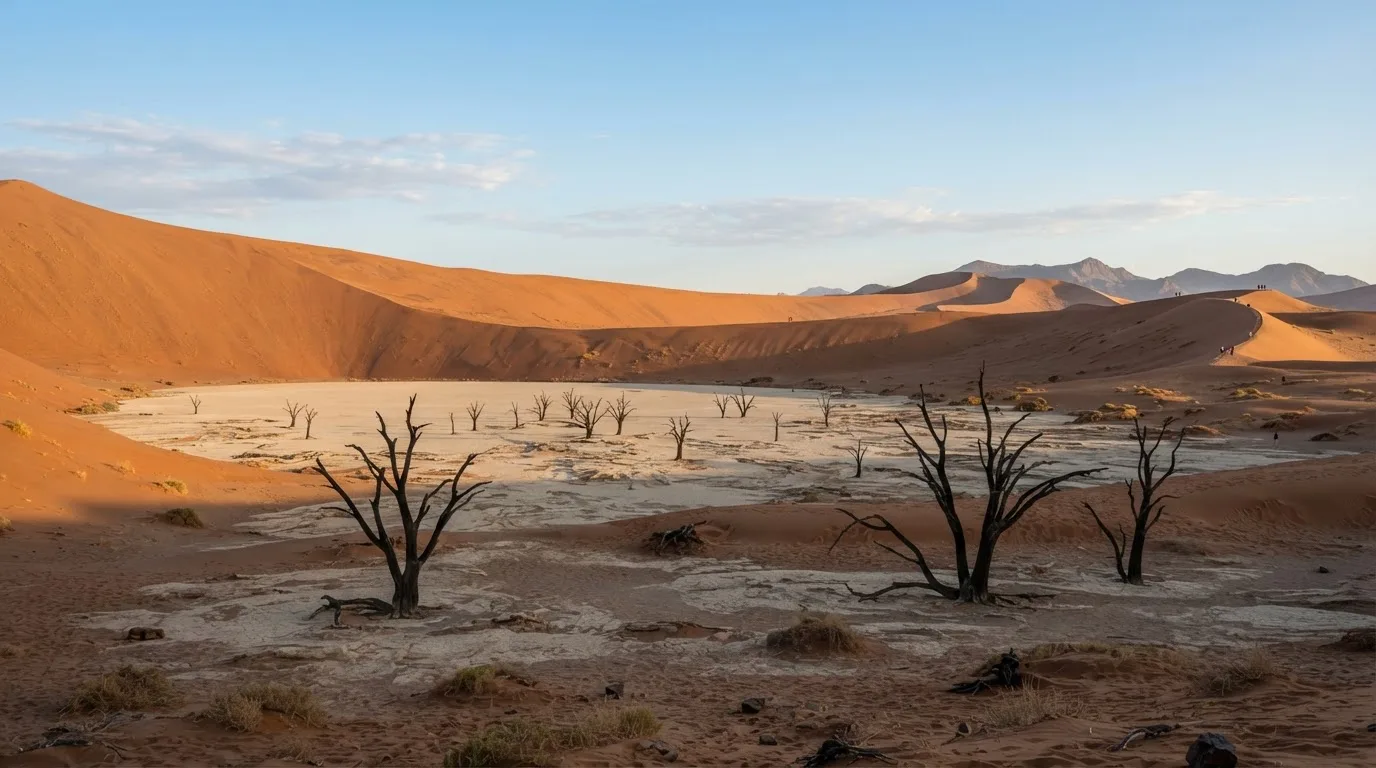
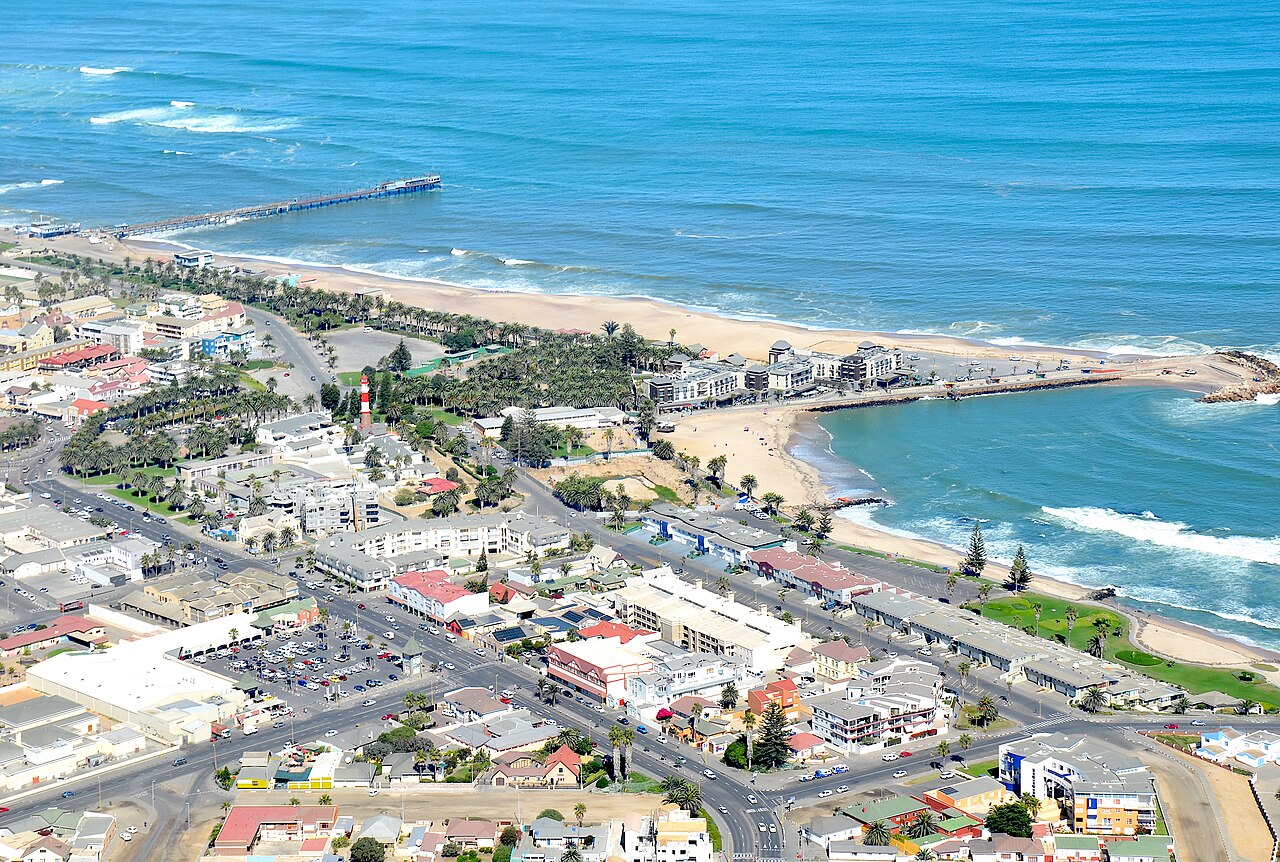
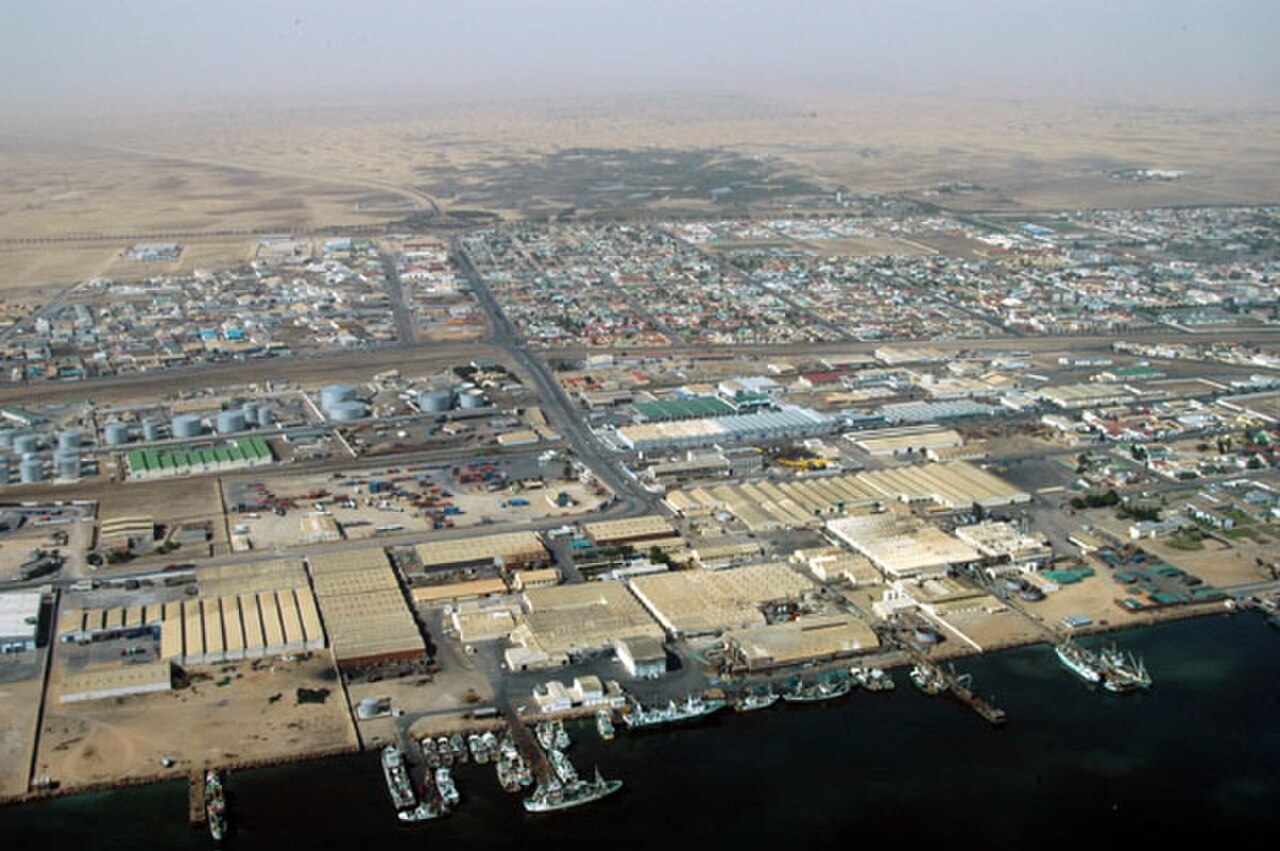
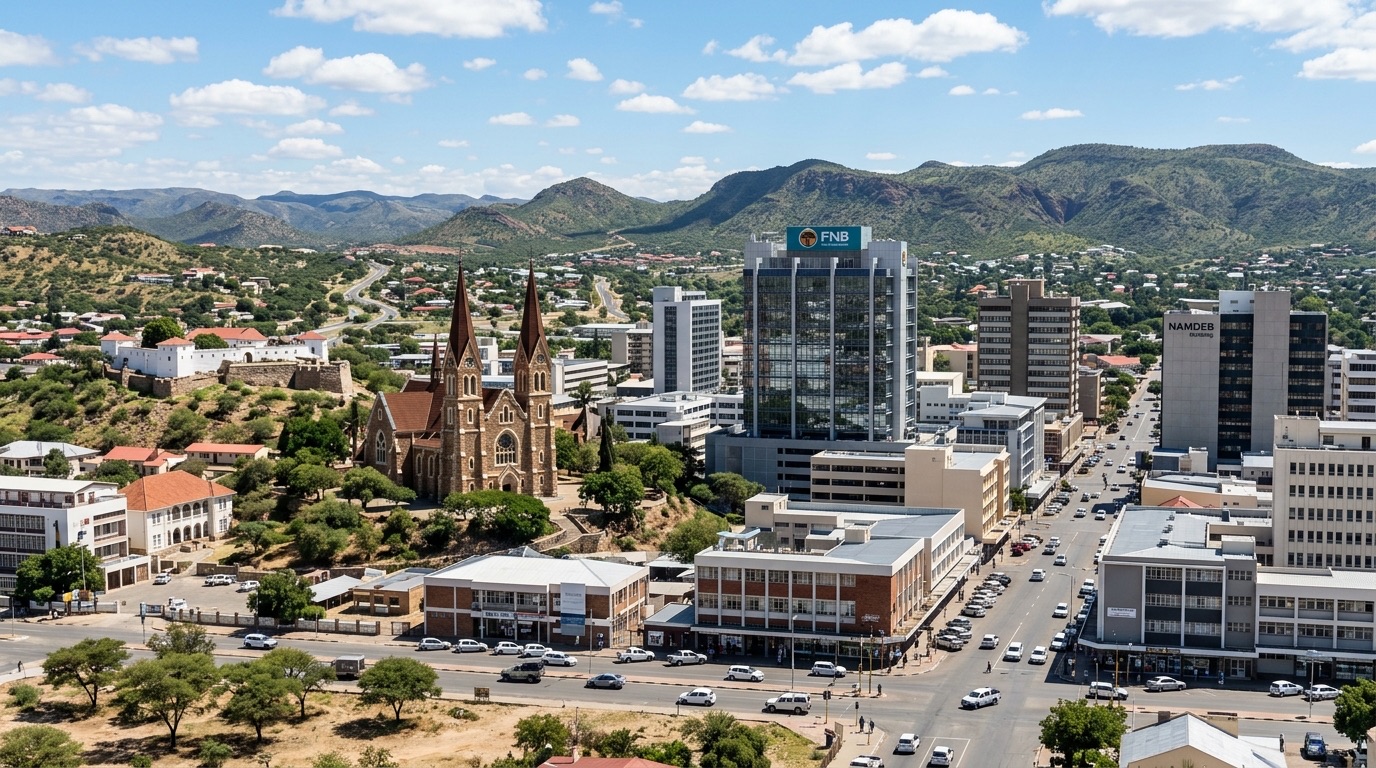
Namibia is a vast, dry country of desert, plateau and Atlantic coast, with one of the world's lowest population densities. The Namib desert and Sossusvlei dunes define the south, Etosha and Damaraland concentrate wildlife in the north, and the Skeleton Coast and Fish River Canyon add wild coastal and canyon scenery. May to October is the dry season, best for wildlife and desert travel; summer is hot with occasional rains, when the interior greens up and birdlife increases.
Warmest month: January (23°C). Wettest: January (53 mm). Best overall score: September (9.9/10).
| Month | Avg temp | Rain | Sunny days | Score |
|---|---|---|---|---|
| January | 23°C | 53 mm | 31 | 8.9/10 |
| February | 23°C | 46 mm | 28 | 9.1/10 |
| March | 22°C | 34 mm | 30 | 9.6/10 |
| April | 21°C | 12 mm | 24 | 9.8/10 |
| May | 19°C | 1 mm | 19 | 9.5/10 |
| June | 16°C | 0 mm | 16 | 9.3/10 |
| July | 16°C | 1 mm | 18 | 9.4/10 |
| August | 17°C | 1 mm | 22 | 9.8/10 |
| September | 19°C | 1 mm | 28 | 9.9/10 |
| October | 22°C | 5 mm | 30 | 9.9/10 |
| November | 23°C | 7 mm | 30 | 9.7/10 |
| December | 23°C | 27 mm | 31 | 9.6/10 |
Namibia. Live activities and tours from GetYourGuide, matched to this destination.
Climate data: Open-Meteo ERA5 historical archive, the five most recent complete years (2021–2025). Scores are monthly averages for that window, not forecasts, and short-window precipitation can differ from longer-term normals. “Sunny days” count days with at least 6 hours of measured sunshine — they are not dry days.
Curated in Namibia